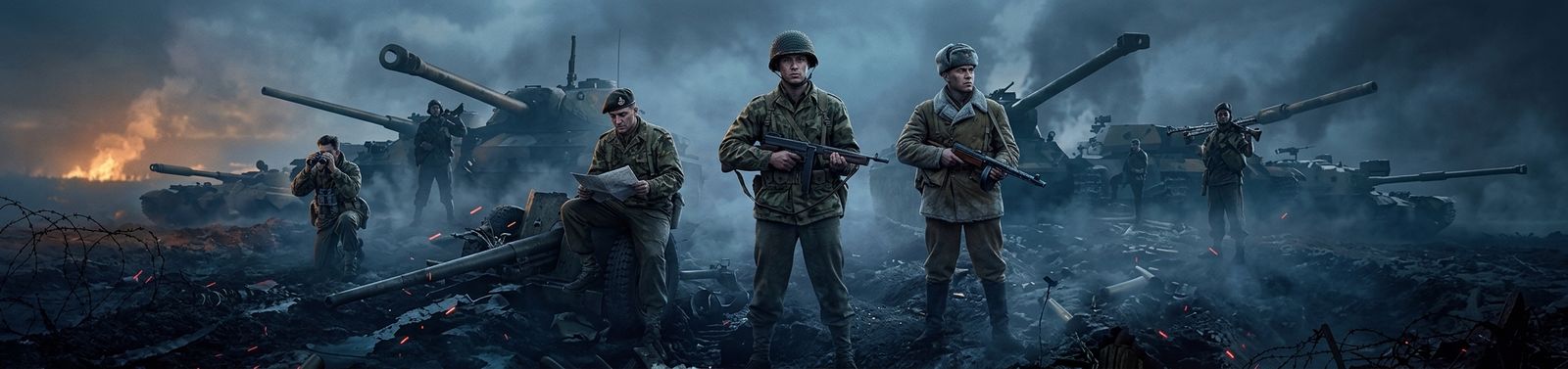
Onslaught: Year of the Phoenix — Mode Guide: Rules, Ranks, Seasons & Rewards
Onslaught in World of Tanks: Ranks, Rating Points and Rewards
Onslaught is World of Tanks' competitive 7v7 mode built around Tier X vehicles, rank-based matchmaking, Rating Points, and seasonal progression.
The important part is not simply winning battles. Your results affect your Rating Points, Rating Points determine your rank, and your final rank affects the rewards and annual progression you can earn.
This guide explains the parts that matter when deciding how to play an Onslaught season: how progression works, what each rank means, how rewards are structured, and which rules belong specifically to the current Year of the Phoenix cycle.
What Is Onslaught in World of Tanks?
Onslaught is a competitive 7v7 mode where teams fight against opponents matched around their rank. Unlike Random Battles, it has its own progression system, vehicle restrictions, Role Skills, Tactical Skills, Points of Interest, and seasonal rewards.
Teams compete against opponents within the ranked system.
The mode is built around Tier X vehicles.
Your position in the ranked progression affects matchmaking.
Vehicle roles provide additional abilities during battle.
Points of Interest provide access to additional tactical abilities.
Battle results contribute to rank and seasonal rewards.
The mode is therefore closer to a ranked competitive ladder than to a standard battle mode.
Your position in the progression system matters beyond the result of a single match.
How Onslaught Progression Works
1. Battles
Onslaught battles are played in teams of seven. The mode is built around Tier X vehicles and uses rank-based matchmaking.
Before the battle begins, players can adjust their selected vehicle or configuration.
During the battle, Role Skills and Tactical Skills provide additional tools that are not part of standard Random Battles.
2. Rating Points
Rating Points are the main progression currency of the ranked system.
Your Rating Points determine where you sit within the current rank structure.
Winning battles generally moves progression forward, while losses can reduce it.
The exact progression rules can vary by rank and season.
A sustained series of results has a much greater effect on your progression.
3. Rank
Rating Points move you through divisions and the six main ranks:
The first four ranks contain divisions. Champion and Legend represent the highest part of the progression system.
4. Annual Progression
Seasonal rank is not the same thing as annual progression.
Your performance during a season can contribute to Onslaught Colors.
Colors are accumulated across the annual cycle and are used to unlock annual rewards.
If your goal is the annual reward vehicle, you need to track your Onslaught Colors separately.
Onslaught Ranks Explained
| Rank | What it represents |
|---|---|
| Iron | Entry level of the ranked progression |
| Bronze | Early progression beyond Iron |
| Silver | Mid-level ranked progression |
| Gold | Advanced rank with stronger progression and reward access |
| Champion | High-level competitive rank |
| Legend | Top rank of the Onslaught progression |
The practical objective changes as you climb.
At Iron–Silver, the priority is usually establishing consistent progression.
Gold becomes a more meaningful milestone for players targeting higher rewards.
Champion and Legend are primarily competitive goals rather than simple reward checkpoints.
What Happens to Your Rating Points?
Rating Points are not just a battle score. They determine your position in the ranked system.
| Situation | What to focus on |
|---|---|
| You are climbing | Focus on consistent positive results rather than isolated high-damage games. |
| You are close to a rank threshold | Avoid unnecessary risk if a small Rating Point change could affect your progression. |
| You are already at a high rank | Maintaining your position can matter as much as climbing further. |
Higher-rank progression is therefore less forgiving than simply trying to maximize damage in individual battles.
How Onslaught Seasons Work
Onslaught is divided into seasons, while the full annual cycle connects those seasons through annual progression.
Your results during an individual season determine the rewards associated with that season.
Your accumulated Onslaught Colors across the annual cycle determine access to the annual reward track.
Do not treat the end of one season as the end of your entire Onslaught progression.
Seasonal results can contribute to rewards that extend across the full annual cycle.
Seasonal Rewards vs Annual Rewards
Seasonal Rewards
Seasonal rewards can include bonds, customization items, Personal Reserves, Premium Account time, and other progression-related items.
Weekly Missions provide an additional reward path during the season.
Current Year of the Phoenix milestones include rewards at 5, 15, 25, and 30 completed missions.
Annual Rewards
The current Year of the Phoenix annual progression uses Onslaught Colors.
You can earn up to six Colors per season, with a maximum of 18 across the full annual cycle.
| Colors | Annual progression |
|---|---|
| 3 | Iron Phoenix |
| 6 | Bronze Phoenix |
| 9 | Silver Phoenix |
| 12 | Gold Phoenix |
| 15 | Year of the Phoenix Champion |
| 18 | Year of the Phoenix Legend |
The exact annual reward structure is tied to the current Year of the Phoenix cycle and should be treated as time-sensitive information.
Onslaught
Ready to progress through Onslaught? Skip the grind and focus on your season goals.
Order Onslaught boosting and let an experienced player help you progress through the mode.
What Is Different in the Current Year of the Phoenix?
The following details apply to the current annual cycle and can change with future seasons.
Selected maps have nighttime versions.
Additional map mechanics connected with the current cycle.
A current seasonal gameplay mechanic.
The rules for resolving draws have been changed.
Unavailable in the current season.
Additional vehicles can be available during the season.
Vehicle availability can change between seasons.
Individual seasons can introduce or remove mechanics, while the underlying ranked progression remains the same.
Weekly Missions
Weekly Missions are a separate progression layer inside an Onslaught season.
They are useful because they provide rewards without requiring you to reach the highest rank.
Current Year of the Phoenix milestones are tied to completing 5, 15, 25, and 30 missions.
Onslaught Gameplay Mechanics
Role Skills
Each vehicle role has a special Role Skill. The skill can charge through battle and has multiple charge levels, with stronger effects available at higher charge levels.
The result is that vehicle choice is not only about gun, armor, or mobility. Your vehicle's role also affects how you can influence a battle.
Points of Interest
Points of Interest provide access to Tactical Skills. After capturing a Point of Interest, the corresponding Tactical Skill
can be used.
This creates additional tactical objectives beyond simply trading damage with the opposing team.
Pre-Battle Preparation
Onslaught allows players to change their selected vehicle or configuration after loading into the map and before the battle starts.
This matters because the appropriate vehicle or setup can depend on the map and expected team composition.
What Should You Focus On?
Your best approach depends on the result you actually want.
| Your goal | What matters most |
|---|---|
| Earn useful rewards | Seasonal rewards + Weekly Missions |
| Reach Gold | Consistent Rating Point progression |
| Reach Champion | Stronger and more consistent battle performance |
| Reach Legend | High-level competitive performance and leaderboard position |
| Get the annual reward | Collecting enough Onslaught Colors across the annual cycle |
This is why there is no single "best" Onslaught strategy for every player.
A player who only wants seasonal rewards does not need to approach the mode like someone targeting Legend.
Likewise, a player interested in Fireborn needs to think about annual Color progression rather than only the current rank.
When Onslaught May Not Be the Right Goal
Onslaught is a poor fit if your only objective is casual progression without competitive pressure.
The ranked system means that losses can affect your Rating Points, and higher ranks require increasingly consistent performance. The mode also demands more attention to team composition, vehicle roles, map objectives, and tactical abilities than a standard Random Battle.
A Practical Way to Approach an Onslaught Season
| Step | What to do |
|---|---|
| 1 | Choose a realistic goal. Decide whether you care about rewards, Gold, Champion, Legend, or annual Colors. |
| 2 | Build a suitable Tier X lineup. Avoid relying on a single vehicle if the season's maps and mechanics reward different roles. |
| 3 | Learn the Role Skills. Their timing can matter more than raw damage output. |
| 4 | Use Points of Interest deliberately. Treat them as tactical objectives, not optional map decoration. |
| 5 | Track your Rating Points. Know whether you are climbing, defending a rank, or close to a threshold. |
| 6 | Complete Weekly Missions when rewards matter more than rank. |
| 7 | Track annual Colors separately. A season can contribute to the annual reward even when the season itself is not your main competitive goal. |
FAQ
What is the difference between Champion and Legend?
How do Onslaught Colors work?
Do I need Legend to get the annual reward?
Do Onslaught rules change between seasons?
Is Onslaught harder than Random Battles?
What vehicles can be used in Onslaught?
Share this article
Related Services




Need Help With Your Account?
Professional boosters to help you achieve your goals in World of Tanks.
Browse Services